


What is Quarex? The Granite Composite Material Explained
If you've been comparing kitchen sinks recently, you've probably come across the word Quarex and wondered what it actually means. This guide walks through what the material is, why it matters for a UK kitchen and what to expect from it over the long term.
Quarex is the proprietary granite composite material used in Clearwater's range of kitchen sinks. It's made up of 80% natural quartz, which gives it the weight, hardness and feel of real stone. The remaining 20% is a binding compound that holds everything together and allows the material to be formed into precise shapes with consistent quality across every sink.
What sets the latest generation of Quarex apart from earlier versions and from many competitors, is the addition of silver ions to the compound. Silver has long been recognised for its antimicrobial properties and here it works at a surface level to inhibit the growth of bacteria and other microbes.
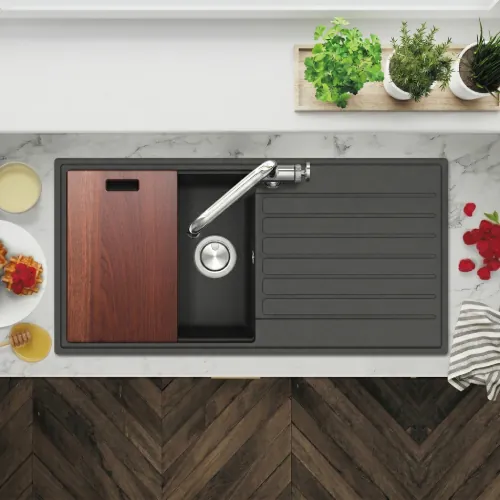
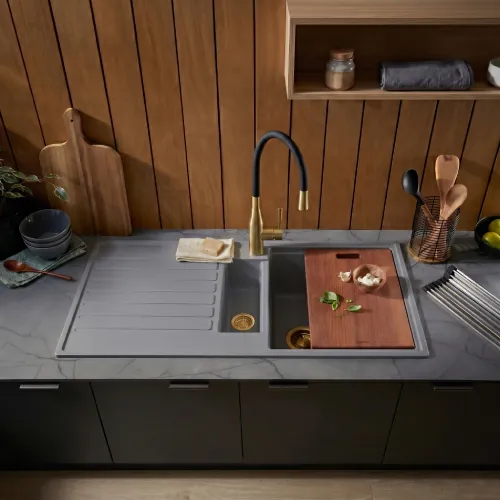
Why Does The Silver Ion Technology Matter In a Kitchen?
A kitchen sink takes more punishment than almost any other surface in the home. It handles raw meat, fish, vegetable prep, dirty dishes and everything in between. The risk of cross-contamination is real and most sink materials can only address this through regular cleaning.
Quarex takes a different approach. The silver nano-particles form a protective layer across the entire surface of the material. This layer doesn't wear off with cleaning and doesn't require any special products to remain effective. In everyday use that means the surface is actively working against bacterial build-up between washes, not just after them.
For a UK household where the kitchen sink genuinely gets used throughout the day, that ongoing protection matters more than it might in a lightly used space.
How Quarex Handles the UK Kitchen Environment
Kitchens in the UK tend to see heavy use across a long part of the day. The morning routine, school lunches, evening meals and the ongoing cycle of cups of tea means the sink rarely sits idle for long. A material that can handle all of that without showing its age quickly is genuinely valuable.
The heat resistance up to 180°C is particularly relevant here. Taking a pot off the hob and resting it in or near the sink for a few seconds while you serve is something most people do instinctively. With Quarex, that's not a problem. Similarly, the dirt-repellent structure of the surface means you're not scrubbing at tea stains every second day.
The harder water in some parts of United Kingdom can leave limescale marks on sink surfaces more readily than in softer water areas. The dense, non-porous quality of Quarex means limescale sits on top of the surface rather than bonding to it, which makes it easier to remove without harsh cleaning agents.
Keeping a Quarex Sink in Good Condition
The material is forgiving but a little routine care goes a long way. Clearwater recommends their dedicated Granite Care Set for keeping the surface looking its best over time.
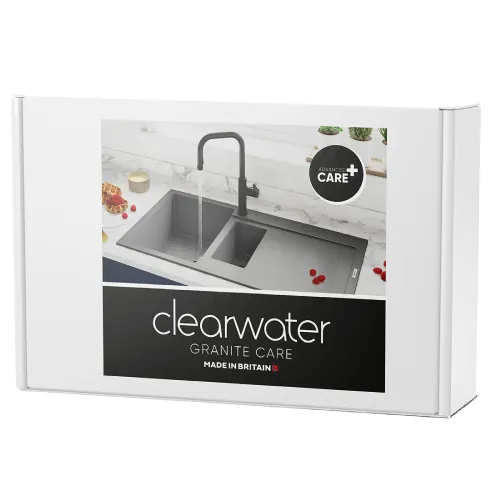
Clearwater Granite Cleaning Kit
For day to day cleaning, warm soapy water and a soft cloth is all you need. Avoid abrasive pads or bleach-based cleaners, which can dull the surface finish over time. The alcohol-based cleaner in the care set is designed for periodic deeper cleaning and will restore the original appearance without damaging the material.
Common FAQs About Quarex
Is Quarex the same as granite?
Not exactly. Natural granite is 100% stone but difficult to shape into precise sink forms. Quarex contains 80% quartz bound with a resin compound, which gives it the look and feel of granite while allowing consistent manufacturing quality and a longer-lasting finish.
Can I pour boiling water directly into a Quarex sink?
Quarex is rated to 180°C, so brief contact with boiling water or a hot pan is not a concern. Sustained direct heat from a very hot source held in place for a long period is best avoided but normal kitchen use is well within the material's limits.
Will a Quarex sink chip if I drop something heavy into it?
Quarex is impact resistant as part of its specification, which means it handles the kind of everyday knocks you'd expect in a busy kitchen. A very heavy object dropped from height could mark any material but under normal conditions chipping is not a realistic concern.
How does the anti-microbial surface work over time?
The silver ions are integrated into the compound itself rather than applied as a coating. This means the anti-microbial properties are not removed by cleaning or worn away by use. They remain active throughout the life of the sink.
